

You guys. Apparently, there is a notion going around on social media (TikTok, I hear!) that says we all need to replace our underwear every six months.
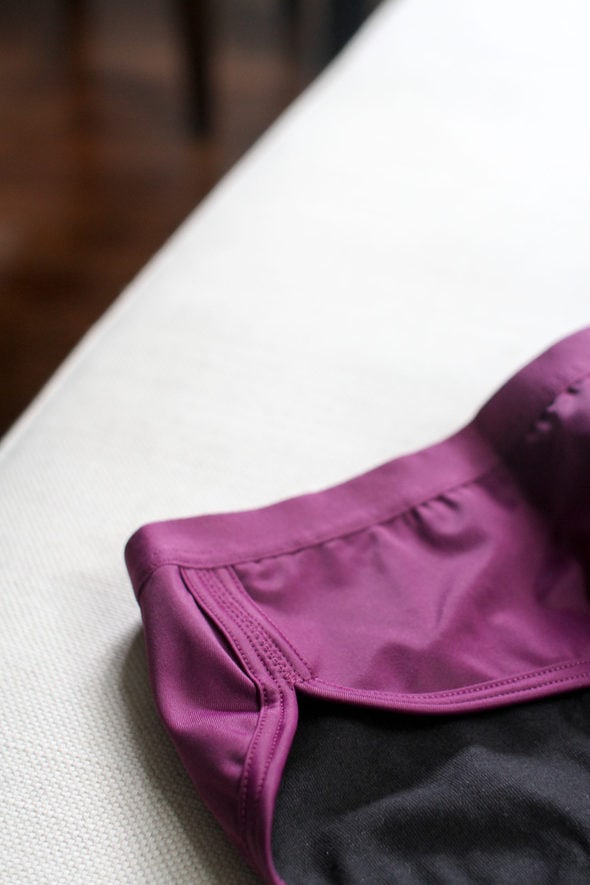
Like…throwing out the “old” ones and buying a whole new set.
When I heard this, I was like…”What???”
Because I have never in my life come even close to replacing mine every six months. I just replace them when they wear out.
The theory is basically that washing and drying them doesn’t remove all the bacteria, and the concern is that this could cause an infectious problem.

I immediately thought about how this has never been an issue for me (to my knowledge, I have experienced zero underwear-borne infections). And I also thought about how this is a little bit silly because hello, every fresh pair of underwear is simply going on top of skin that is covered in bacteria.
It’s not like a brand-new pair ensures a bacteria-free zone; the areas the underwear cover are never even close to being bacteria-free.
I took to Google to find out what the facts are, and indeed, articles popped up saying that “many wellness experts recommend you replace your underwear after six months”.
(Conveniently, multiple underwear companies have articles about this. Hmmm. Also, I generally regard “wellness experts” with a degree of skepticism.)
Happily, I found this Today article quoting Dr. Jen Gunter of The Vajenda, and she thinks this underwear replacement trend is hogwash.

This Mental Floss article directed me to an article titled, “Application of Quantitative Risk Assessment for Formulating Hygiene Policy in the Domestic Setting” and I was able to access the full-text article through my school’s library database.

I read the whole thing (of course), and it does say that washed and dried clothes maintain some bacterial load (E. coli doesn’t survive very well, but Salmonella and Mycobacterium are more hardy). Interestingly, some bacteria get on your hands when you transfer wet laundry to the dryer, which makes sense because the dryer has not yet had a chance to kill the bacteria.
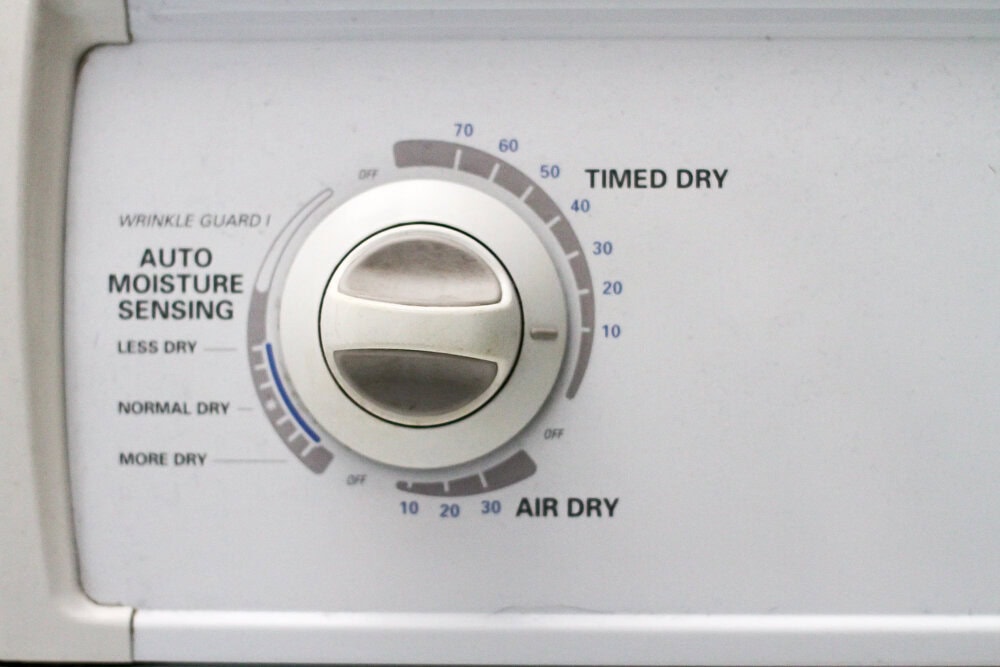
Based on this, it would seem sensible to wash your hands after a laundry transfer, before you eat or handle food, especially if someone in your house is sick.
My take on all of this
I am not prescribing any particular behavior for you, but here’s how I’m thinking about it!
1. It is not possible to live a bacteria-free life
We are covered in bacteria. And our homes are covered in bacteria, too.
In fact, the Gerba article says that kitchen surfaces tend to have more fecal matter on them than bathroom surfaces, and that it would statistically be more sanitary to chop up salad ingredients on your toilet seat than in your kitchen.

Do with that what you will.
2. If you are healthy, you are at a lower risk
The Gerba article points out that babies, elderly people, and those who are immunocompromised are at the greatest risk of harm from acquiring an infection. So, in those cases, perhaps care should be taken to sanitize surfaces and linens more thoroughly.
(Obviously, this is one of the reasons hospital laundry gets a serious disinfection treatment!)
But for the average person, with a decent immune system, old-but-laundered underwear does not seem to pose a terrible risk. 😉
3. If this were dangerous for me, I would have noticed by now
It is easy to become alarmed upon learning about how omnipresent bacteria are. We think, “Oh my gosh! There are bacteria! That’s bad! Bleach it all!”
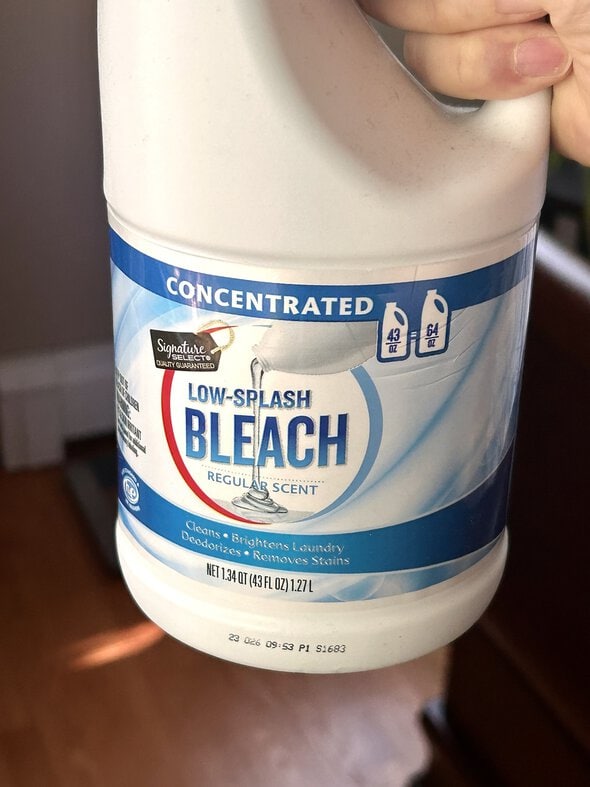
But hold on. If the sanitation level in my house were a problem, I’d be experiencing some consequences.
If the sanitation level in my underwear were a problem, I’d be experiencing infections.
I’m not, though! I can’t remember the last time I got a UTI (the main fear with e. coli), and I am rarely sick with anything at all (thankfully!)
So, I can say that my current cleaning habits and underwear-replacement habits are not harmful for me.
4. It is wasteful and expensive to be unnecessarily sanitary
In the hospital, we do a lot of expensive and wasteful things to maintain a sanitary environment, and I reluctantly acknowledge that this is necessary.
But at home, I would incur unnecessary expense and produce unnecessary waste if I tried to maintain a bacteria-free environment. It would require more expensive cleaning products, more disposable products, and more item-replacement costs (like underwear!).
5. I do support good underwear hygiene
My personal underwear rules:
- Breathable underwear is best (this Pubmed article says that underwear with a non-cotton crotch are associated with yeast vaginitis, although this Dr. Gunter post says it’s just important to wear undies that do not trap moisture against the skin.)
- Underwear should not be worn for several days (!!)
- A freshly laundered pair is in order when the current pair is soiled/sweaty, and it’s better to err on the side of caution here
- Underwear that is actually worn out needs to be replaced
What’s your take on this? How often do you think underwear needs to be replaced?
P.S. Just an FYI: it is normal for vaginal discharge to bleach the crotch of undies, due to the acidic nature of the discharge.
P.P.S. People sometimes lodge the “It’s unsanitary!” accusation about dishcloths and towels, so here’s how I keep mine sanitary.
Source: www.thefrugalgirl.com…