

I was paging through a book from my shelf titled “The Art of Frugal Hedonism”, and I came across a chapter titled “Have an open relationship with recipes”.
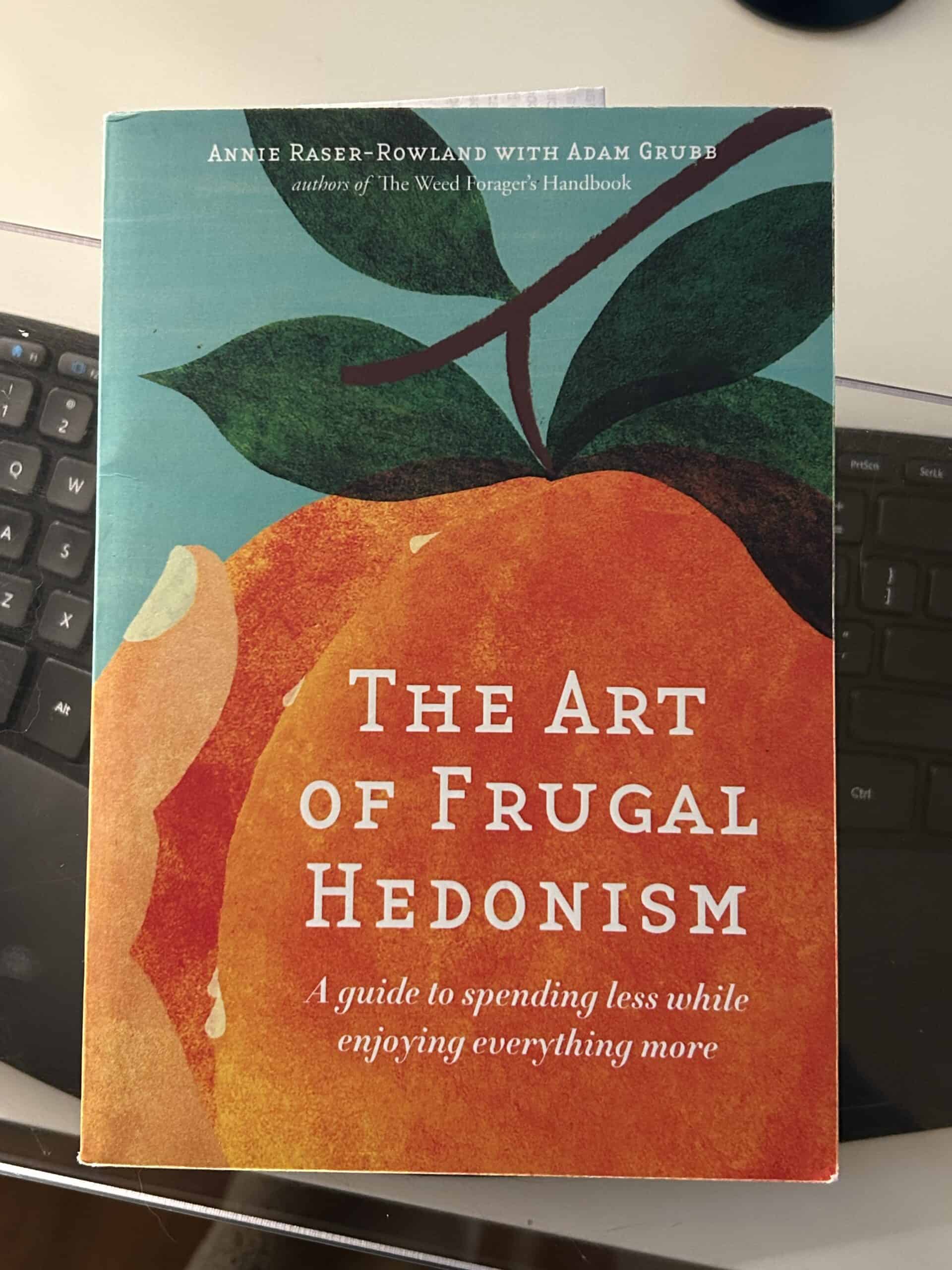
(Each “chapter” is a short 1-3 page essay on a particular topic.)
The authors’ point is that if you regard recipes less as formal rulebooks and more as idea-generators, you can be a lot more flexible with your cooking, which means you can adjust and use what you have on hand or what you can obtain cheaply.
I love this idea, and if you’ve followed my last few years of menu reports, you will notice that I employ this method pretty regularly, especially when I am cooking for myself. I am rather surprised at myself for doing this, because for most of my life, I have been a fastidious follower-of-directions.
(This was not true just with recipes. I am remembering a time when I was leading a practice with the worship band, and I said, “I think the number of repetitions of this phrase at the end of this song is a little awkward; it’s hard to get it right!” and the drummer looked at me and said, “You know we could just change the number of times, right?” No, it had not occurred to me to veer from what was on the page. Ha.)
Anyway, in the last few years, I have become significantly more experimental in my cooking, and I do much less measuring than I used to. I think this is quite a useful frugal technique, particularly if you are often cooking for one or two, and you find yourself needing to use up little odds and ends.
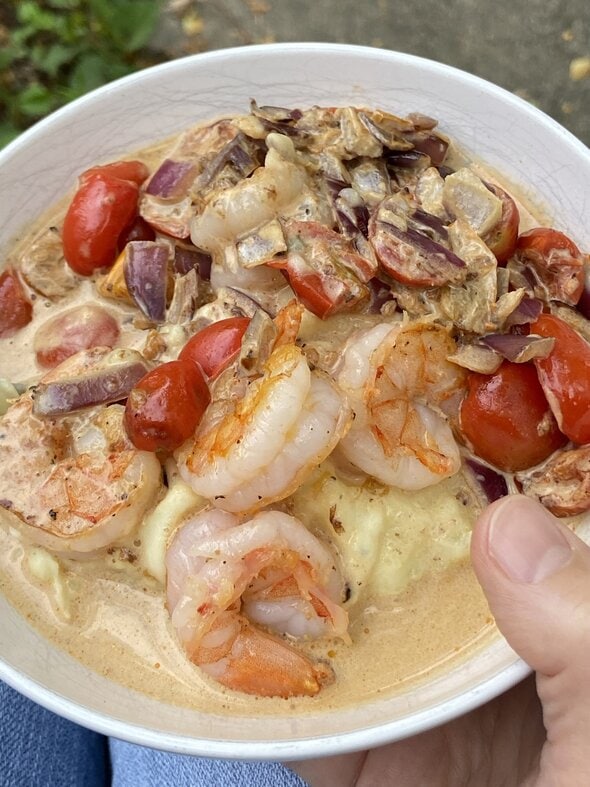
It also makes cooking quite accessible and quick, which is helpful when I am tired and unmotivated. A recipe can feel a little overwhelming, but seasoning some protein, sautéing that + a veggie, and making a quick pan sauce requires minimal thinking.
However, I do have a few caveats.
You need to learn some principles first
If you don’t know the first thing about playing music, it is a bit hard to compose or improvise. In the same way, it’s not gonna go too well if you try winging it in the kitchen with no experience.
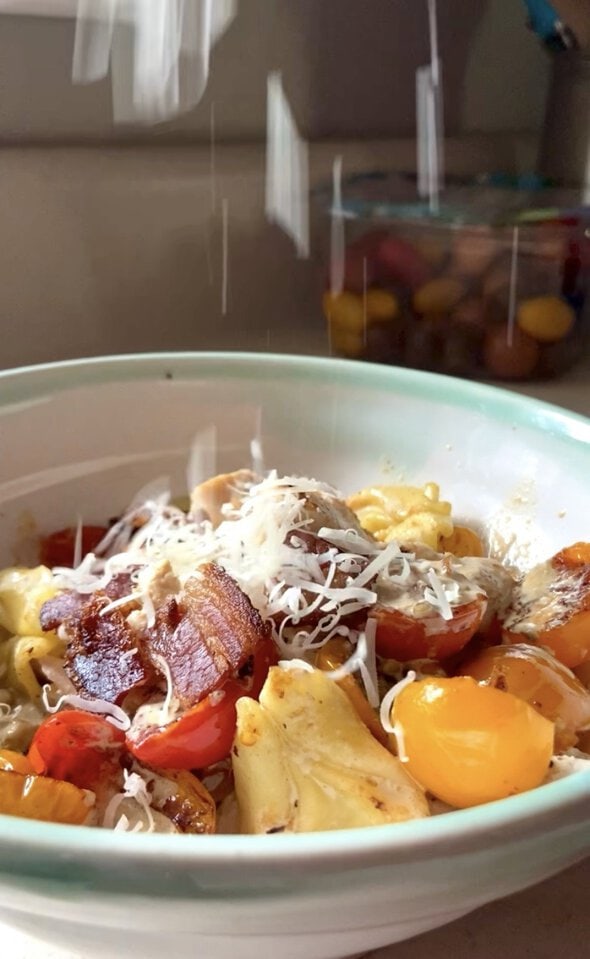
I mean, I say I am winging it, but of course, my “winging” is based on a lot of years of following recipes. I have picked up some principles along the way, and I have a fairly large collection of experiential knowledge at this point in my life. This means my off-the-cuff cooking is not completely unhinged.
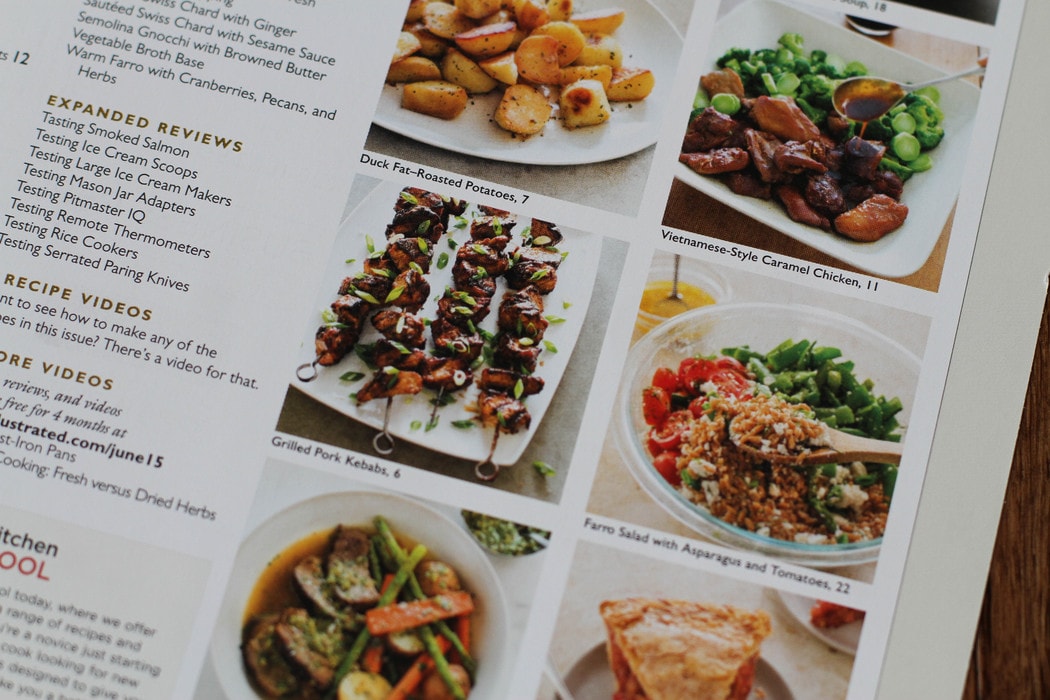
I think what helped me the most was reading Cook’s Illustrated and other America’s Test Kitchen magazines/books, and following their recipes. They do a great job of teaching principles and explaining why certain things work, and others don’t. Armed with this knowledge, I’ve been able to sally forth on my own and still turn out some pretty darn tasty food.
You usually shouldn’t change multiple things about a recipe
I see this all the time in comment sections on recipes; people swap out three main ingredients with questionable substitutes, and then they leave a comment saying that a recipe didn’t work.
Well, no, your substitutions were ill-advised!
This kinda piggybacks on the whole idea of getting experience before modifying recipes. If you don’t have tons of experience under your belt, it’s generally safer to change just a thing or two; otherwise you might end up with a very not-tasty dish that ends up in the trash.
Winging it is not a good baking approach
Yeast baking is perhaps one exception, as it’s a bit more forgiving than many other kinds of baking. But generally speaking, baking is a science, and you are not going to get good results by eyeballing your baking powder, salt, and flour.

For instance, I make my cilantro-lime sauce by eyeballing every single ingredient, but I do not ever, ever eyeball things when I make a cake!
Do you wing it while cooking? Or are you a die-hard recipe follower?
Source: www.thefrugalgirl.com…