

A reader recently sent me this email after buying a car:

I have a question which perhaps you have answered before and if not maybe it would help other readers. I know you just bought a new car so maybe this is a fresh topic for you. I needed a new car after my current car was 16 years old and starting to have issues that warranted replacement over repair. Making such a large purchase made me feel like my daily money saving efforts weren’t worth it if a car costs tens of thousands of dollars. Like what does saving $5 matter, it is a drop in the car bucket! Because I keep cars for so long I bought something that I hope to keep for a long time and get my money’s worth but it was tough for my frugal heart.
Also, like you, I see my car in the parking lot and am like I can’t believe that is mine!!
I can definitely relate to this line of thinking, and probably lots of readers here can too.
I have mostly struggled like this when I have a big expense that is unplanned. And it’s even worse if it results from a mistake on my part.
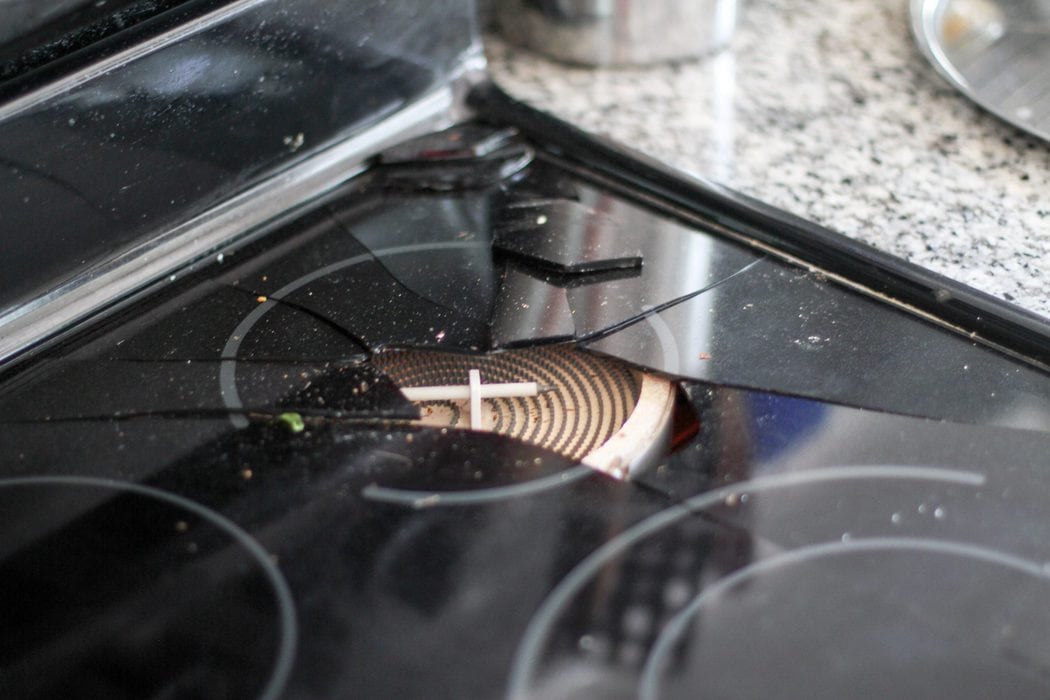
For example, when I broke my glass stovetop and then had to buy a whole new oven/range, I ended up feeling like, “Ugh, what was even the point of cooking dinner that night? I could have gotten takeout lots of times and still not spent the equivalent of the price of a new appliance!”
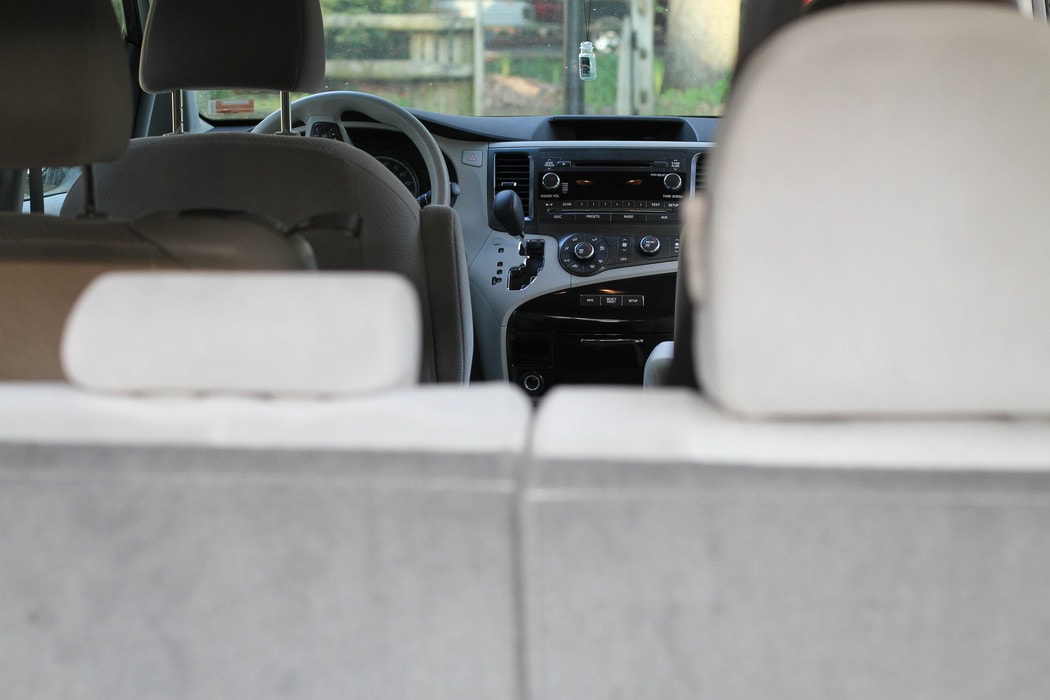
Or one time when my kids were younger, we went to a company event at Six Flags, where admission was free. But in the parking lot, someone backed the prongs of their bike rack through my back van window and shattered it. This happened shortly after I’d moved the van from its original parking spot, and I kicked myself for that for sure!
I’ve also beat myself up for getting a cancellation fee, or for forgetting to cancel a subscription service.
And probably the largest expense I have incurred is my divorce. I paid so much money in legal fees, and lost essentially half of my material wealth (since divorces generally split things 50/50). That could make me feel like all my frugal efforts over the years were basically erased.

All of that is to say: I understand the unhelpful paths a frugal mind can take in such cases. In fact, I wrote a whole tutorial on how to make yourself miserable after a money mistake.
What helps me
When I’m struggling on this front, here are some things I tell myself.
1. What you do every day matters more than what you do once in a while
There are limits to this (buying a yacht even every few years would ruin most of us), but generally speaking, our daily spending/saving habits are what matter.
When I broke my stove, I did basically waste $700. But over the years of my adulthood, I have saved far, far more than $700 by cooking dinner. In the big picture, $700 is a drop in the bucket.
2. Spending is made possible by saving
I paid cash for my Civic, so I own it free and clear. That was a big cash outlay, and it was a little bit painful, but you know how I saved up that money? Largely, it was by keeping my expenses low!
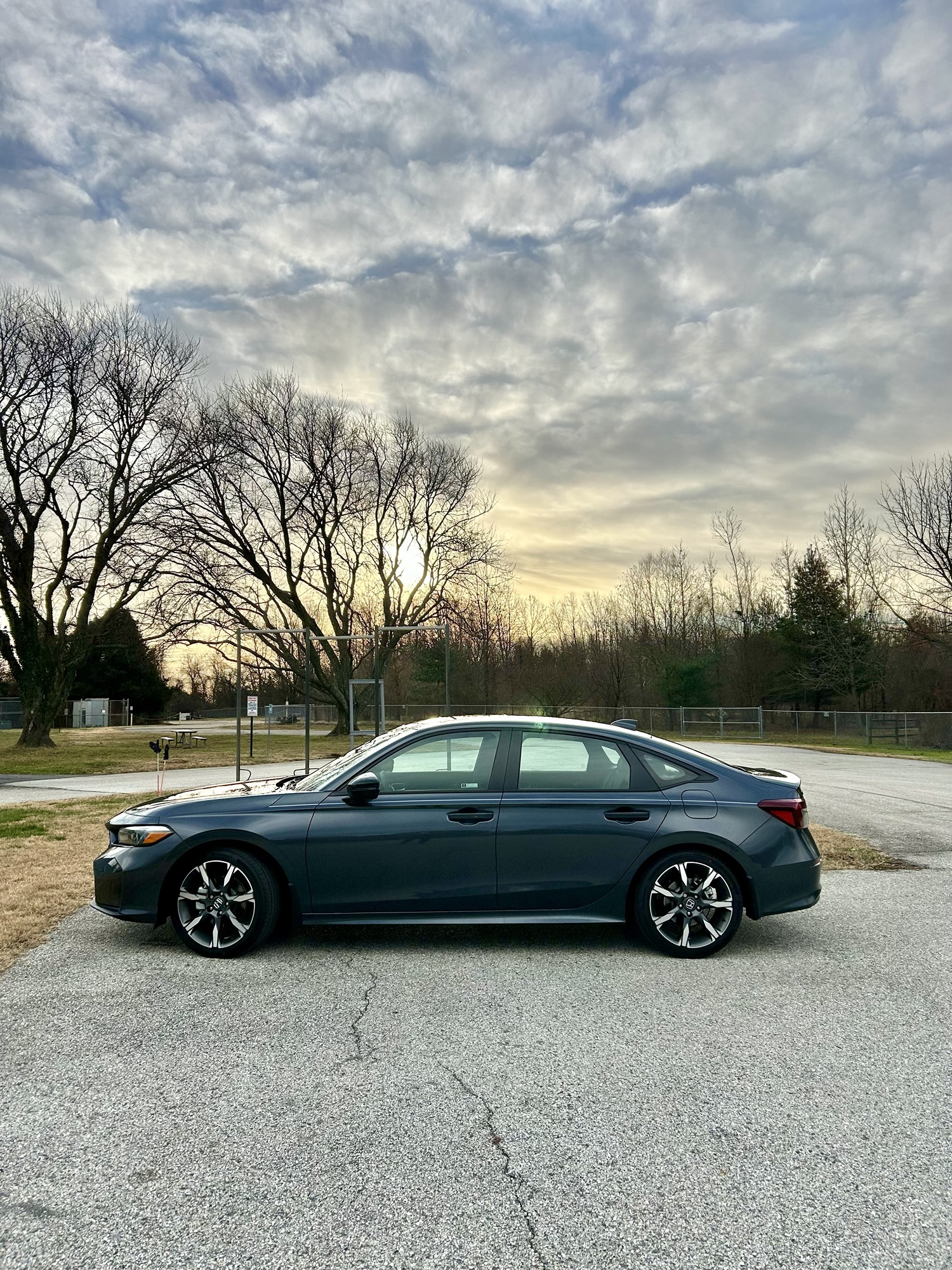
I mean, obviously I had to earn the money too, but the frugality is part of what made it possible to sock away enough of my paycheck to buy a car in cash.
If you had been buying whatever you want, whenever you want, as a matter of habit, you probably wouldn’t have been able to buy your car either! Your money-saving lifestyle ($5 savings included) is part of what allowed you to buy the car. 🙂
3. Sometimes, spending is the whole point of saving
I know our frugal hearts dearly love to sock away money, but in the end, money is a tool, and tools are meant to be used.
Why do we work so hard to save money? Usually, it’s so we can avoid debt, build a financial cushion, prepare for the future, and also buy the things we want.
(Like a car!)
When you get to your retirement years, and you start using the money you’ve socked away, it would not make sense to think, “What was the point of doing all those frugal things for all those years? I’m just spending all my money!”
You worked hard to save all that money specifically so that you could spend it.
I’ve had to remind myself of this when I’ve had to spend an emergency fund too; that is literally the point of the emergency fund! It’s for spending on emergencies. Ha.
To say it all more briefly:
- Your daily habits are what matter most
- Your frugality wasn’t pointless; it is what helped you save
- The point of saving is to enable spending
So, nope, your frugality wasn’t pointless at all.
Readers, what advice would you add to mine?
P.S. A bonus thought, which applies when the spending results from a mistake or accident: I remind myself that the spending would have happened regardless. It is not tied to my frugality, and I’d be even worse off after the expenditure if I had not exercised all that frugality prior! The spending doesn’t mean the saving was pointless.
P.P.S. I think I have more to say about how I now view the frugality I employed while married, so I’m probably going to write about that in a separate post.
Source: www.thefrugalgirl.com…